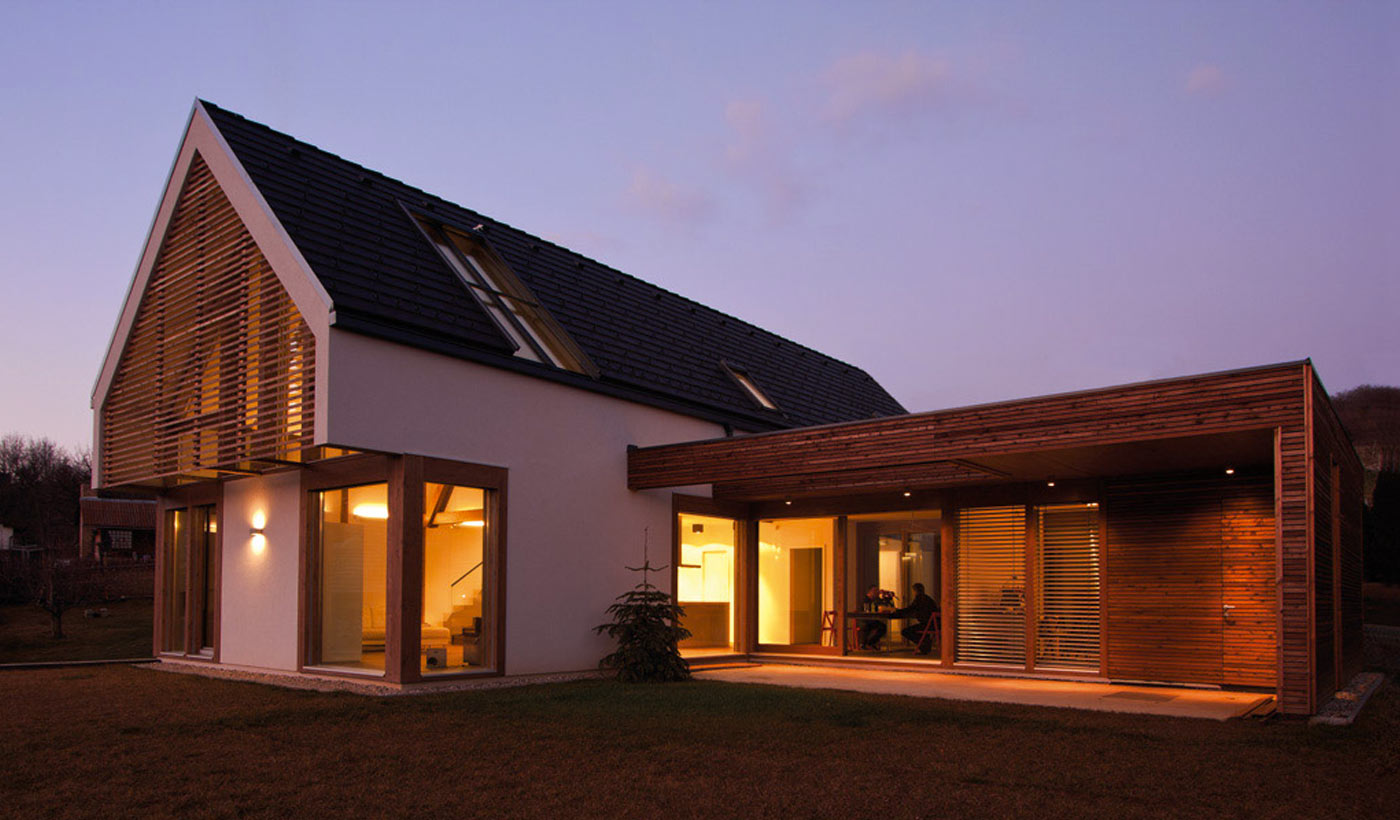
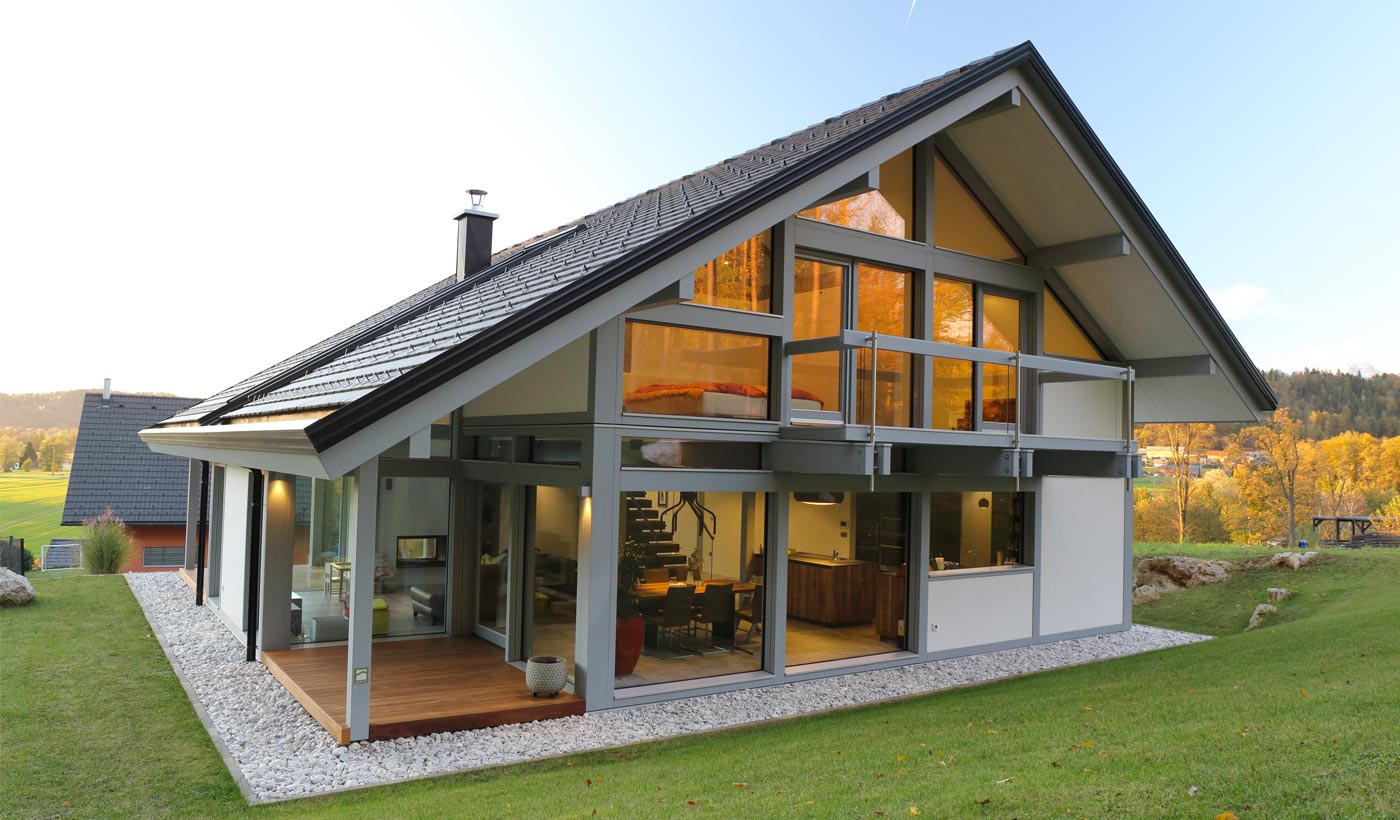
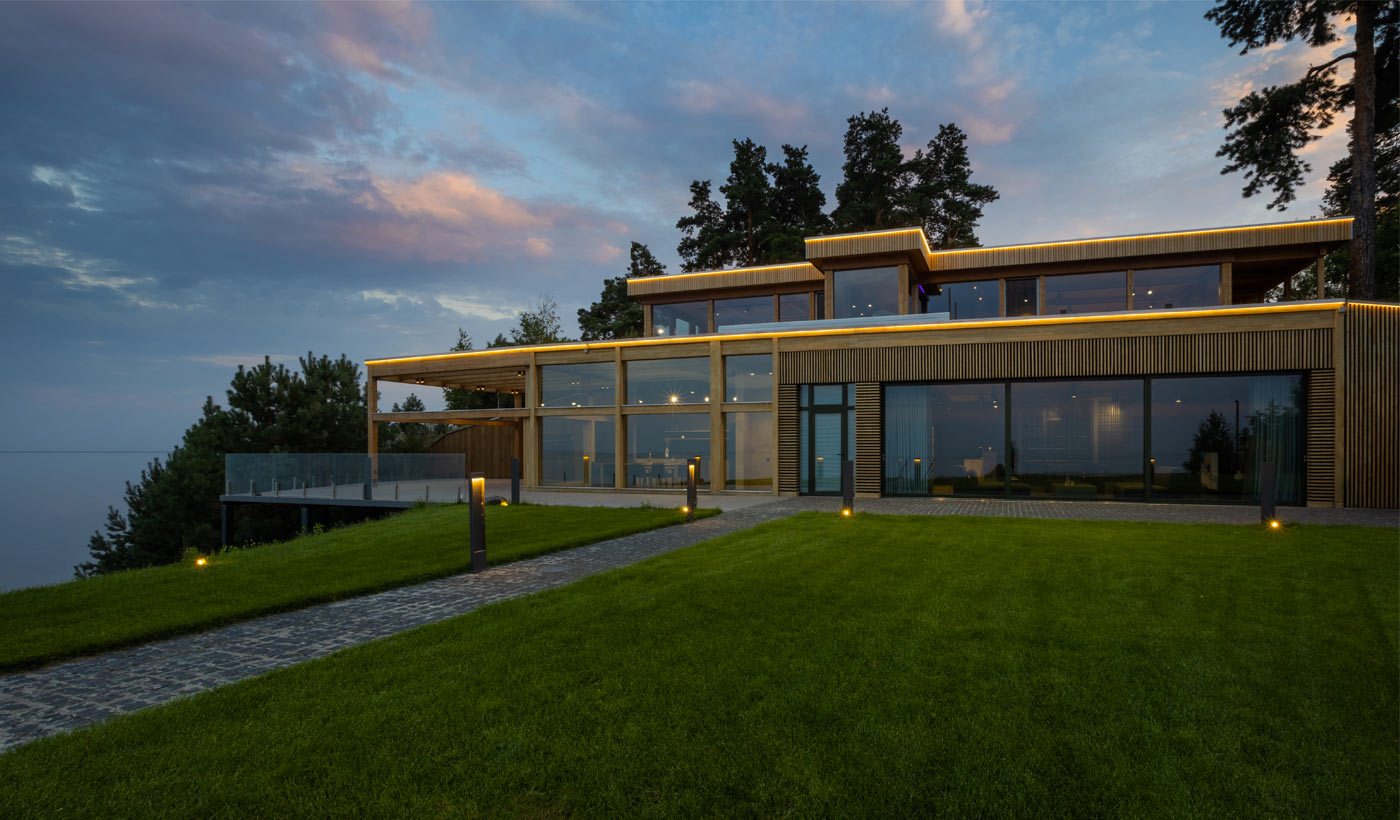
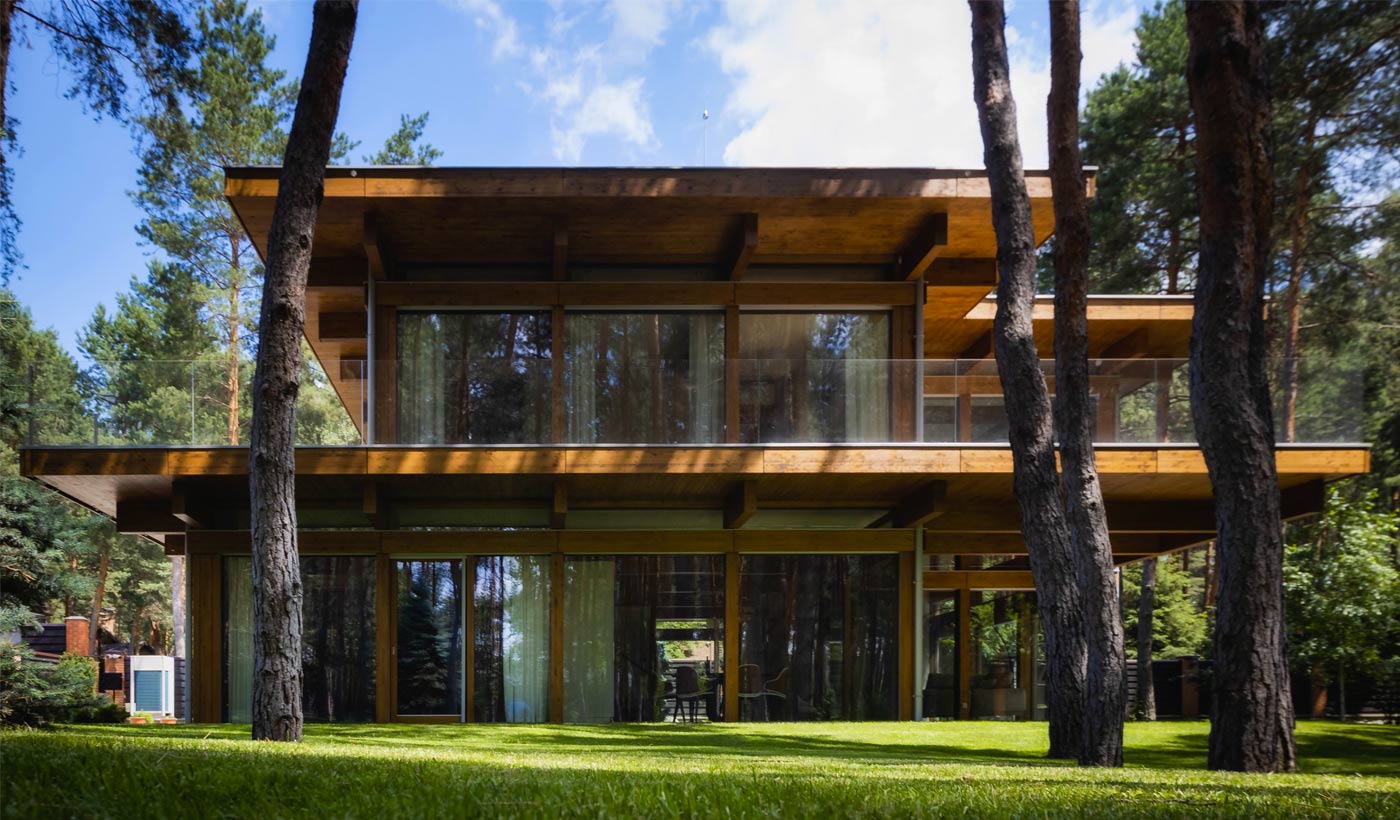
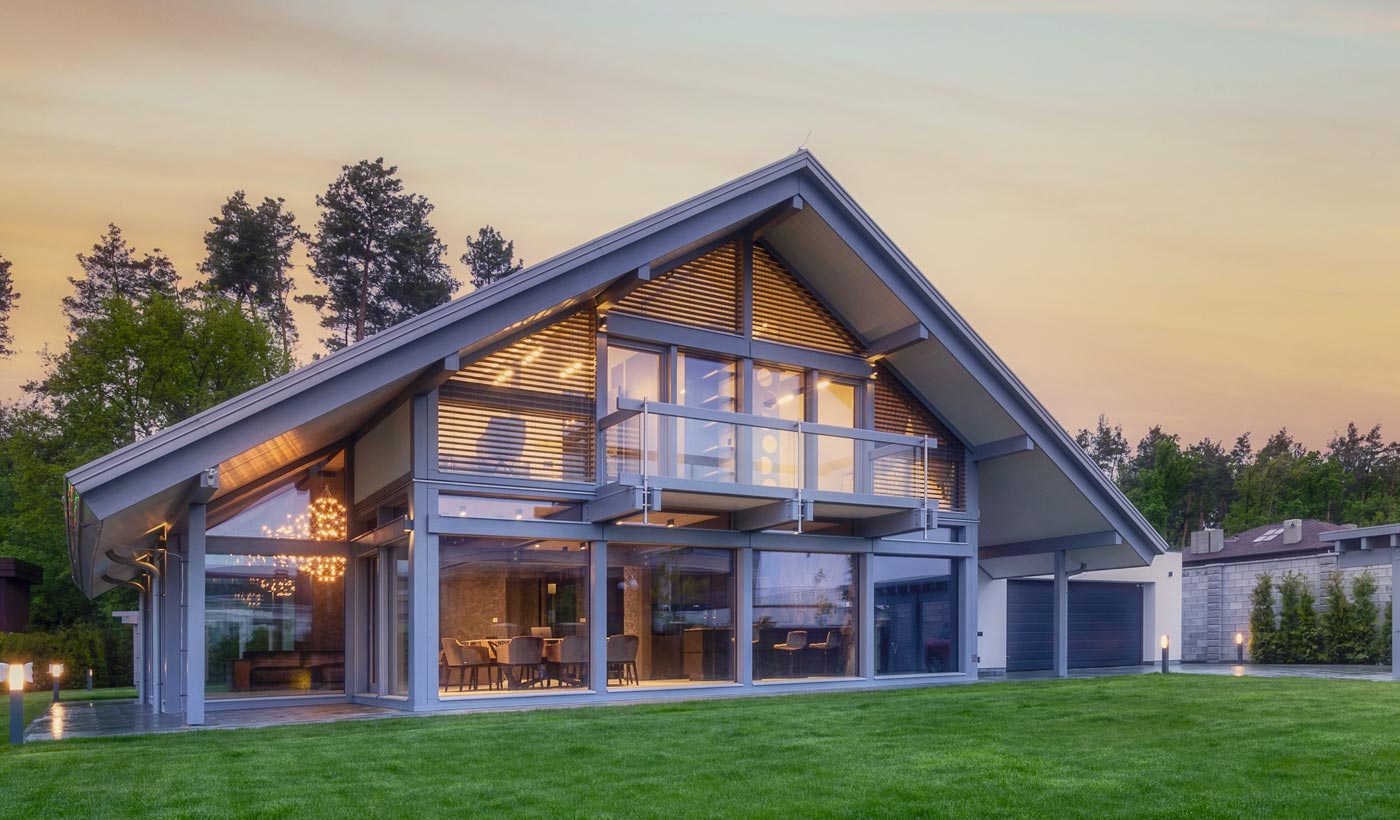
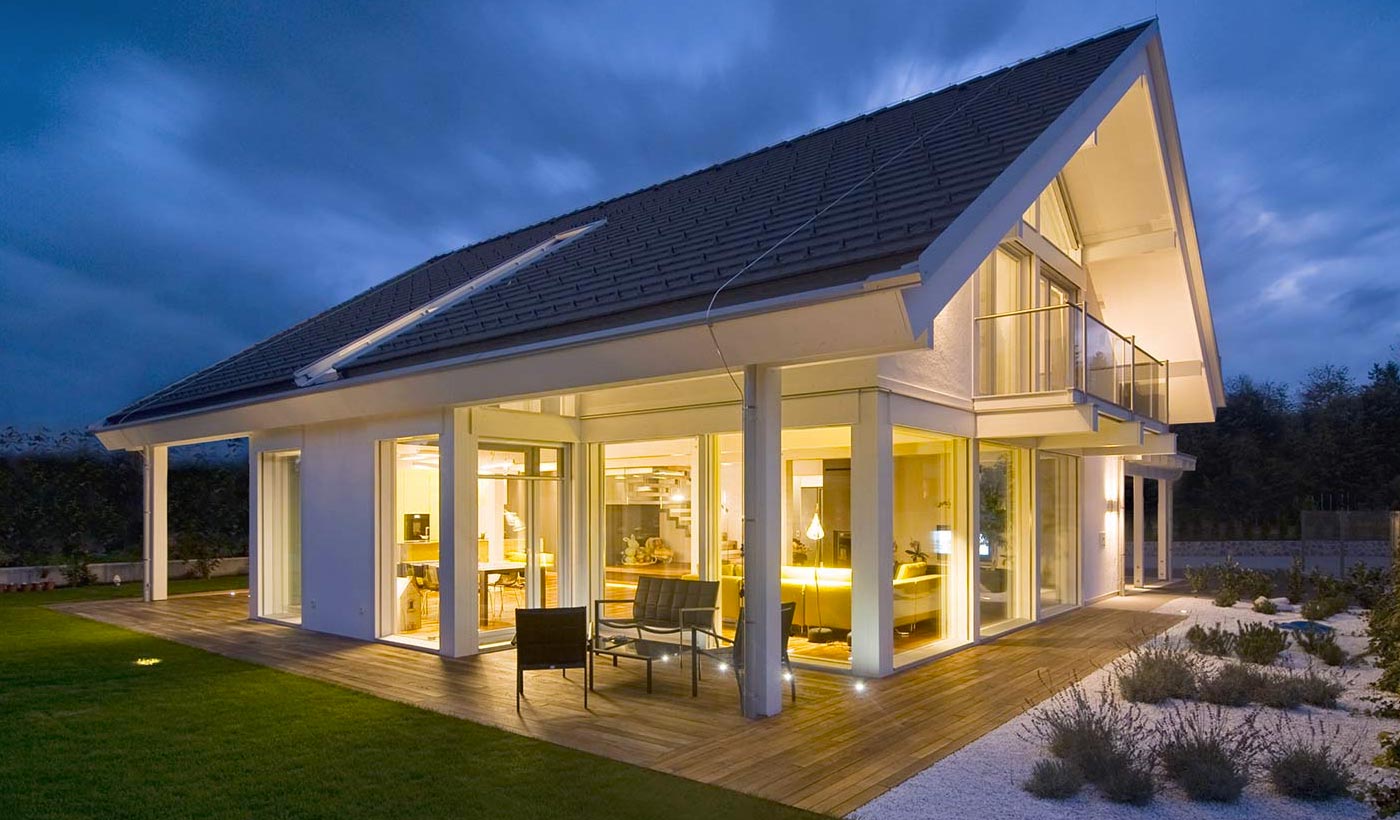
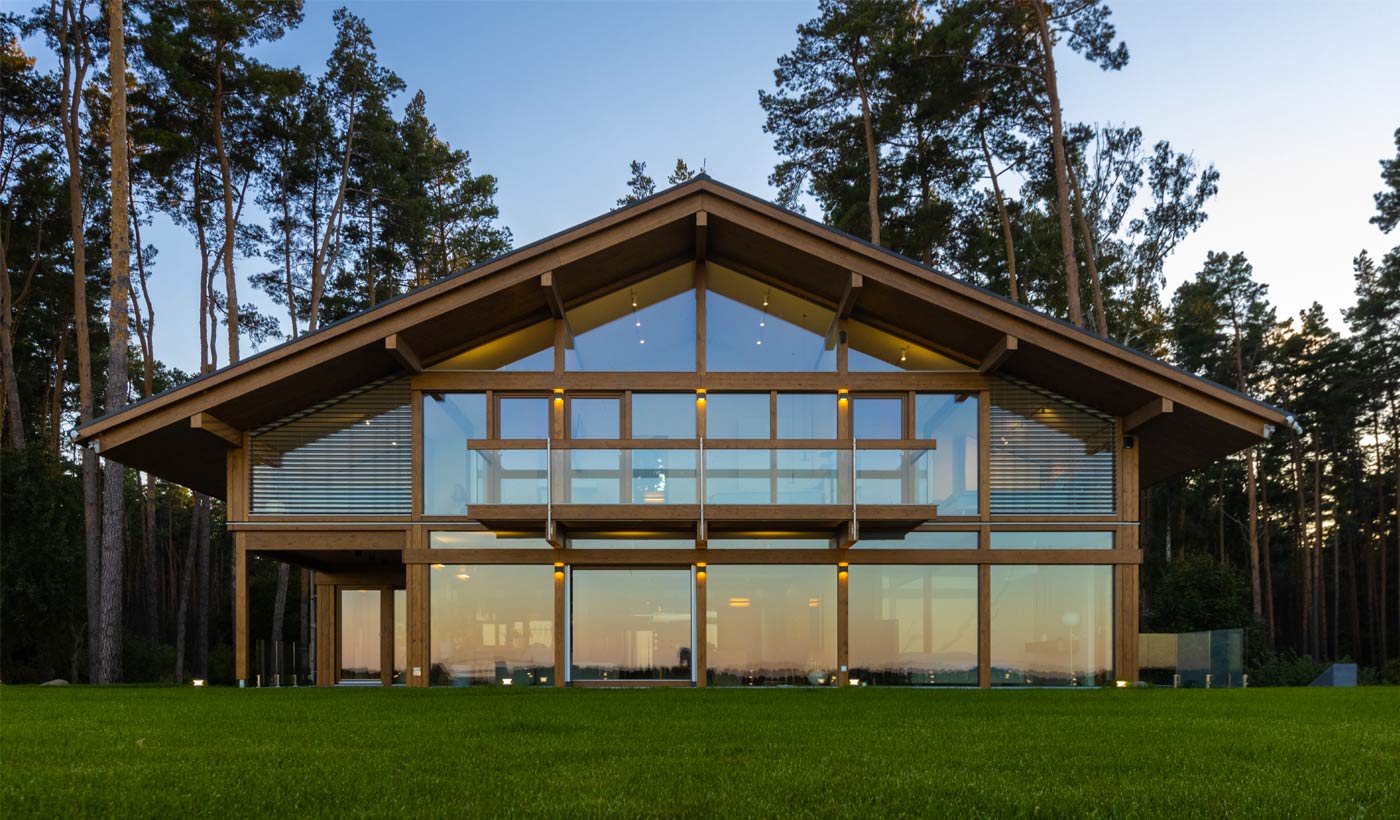
The use of wood as a primary building material has been part of our architectural identity for centuries. At KAGER HIŠA, we continue this tradition with a forward-thinking approach—one that blends natural materials with modern technologies and refined architectural design.
From tradition to modernity
Today’s architectural solutions often draw inspiration from the past. Timber-frame construction is one such method that is regaining a central role. While it was widely used for centuries in regions north of the Alps, it was gradually replaced by brick and concrete construction in the 20th century. Due to low ceilings, small windows, and poor energy efficiency, wooden houses were long seen as outdated and were pushed to the margins of contemporary design thinking.
But that perception is changing.
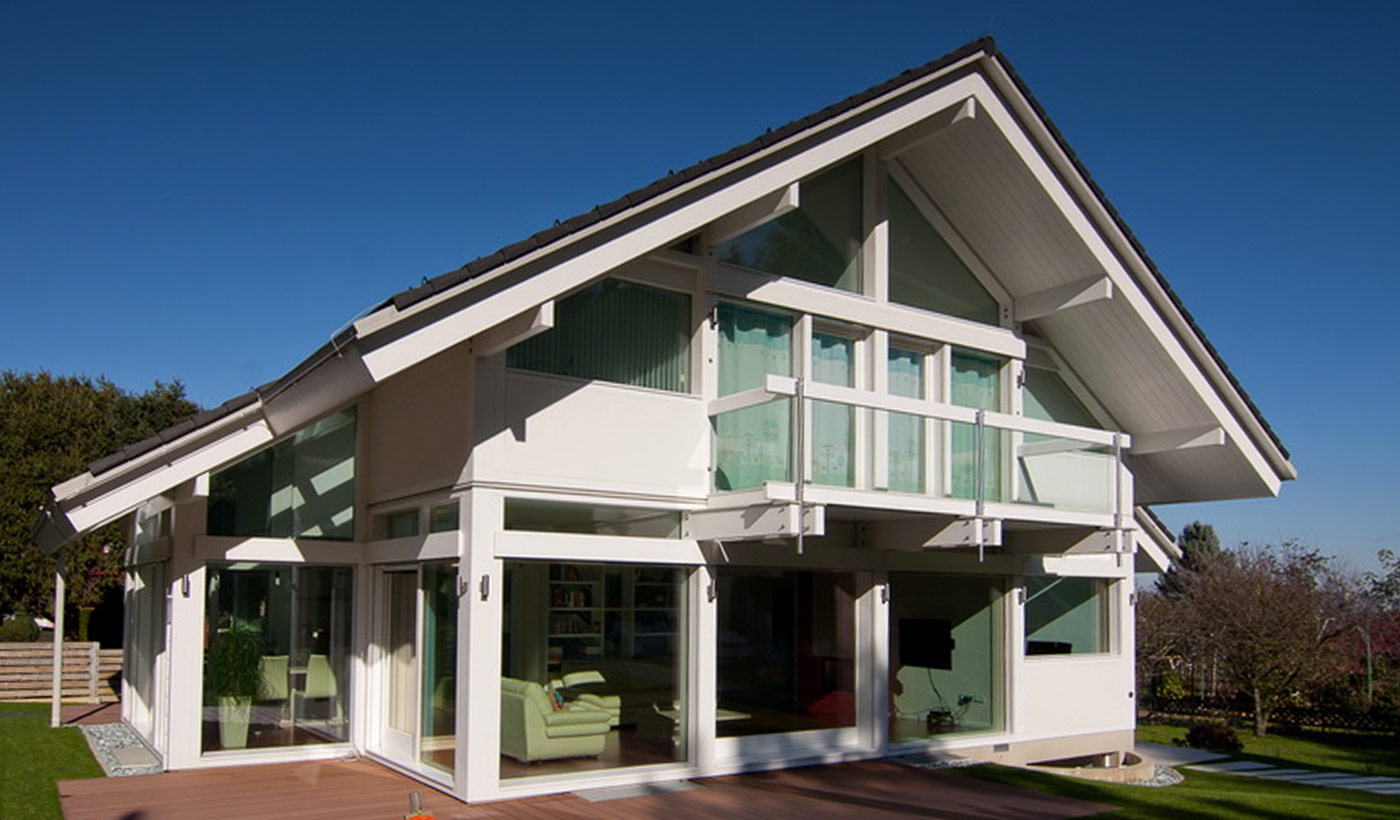
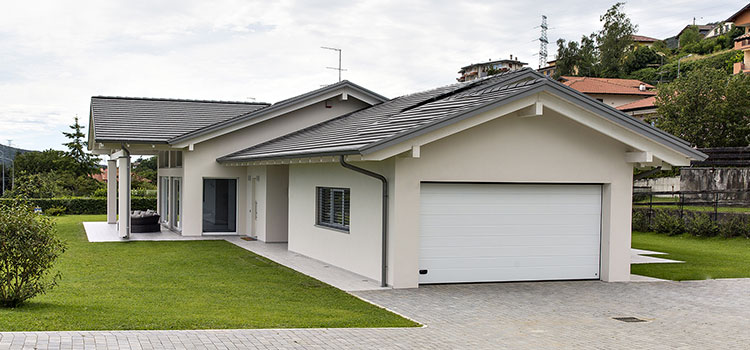
Thanks to technological advancements and a renewed understanding of living in harmony with nature, timber construction is once again becoming synonymous with progressive, open, and sustainable architecture. Today, this approach is combined with advanced technical solutions — and in the case of KAGER homes, also with a distinctive architectural aesthetic that merges glass and hand-crafted wood.
The result: homes that combine open layouts, natural light, and timeless structural logic.

A supporting frame that creates freedom
Many effective architectural principles are rooted in nature. This is also true of timber-frame construction, which functions much like the human skeleton: a self-supporting structure that carries the entire load and thus allows complete freedom in spatial design.
This system is the foundation of KAGER’s modern architectural approach. It is not merely a technical solution — it is the starting point for designing homes that are open, filled with light, connected to nature, and tailored to contemporary living needs.
Architects value the flexibility of this construction method, as it allows for varied floor plans, expansive glass surfaces, and scalable buildings of different sizes. Wherever these homes are built, their timber structure and thoughtful design naturally integrate with the surroundings. The architecture is not imposed — it responds to the environment and the needs of those who live within it.
More design freedom, more living space
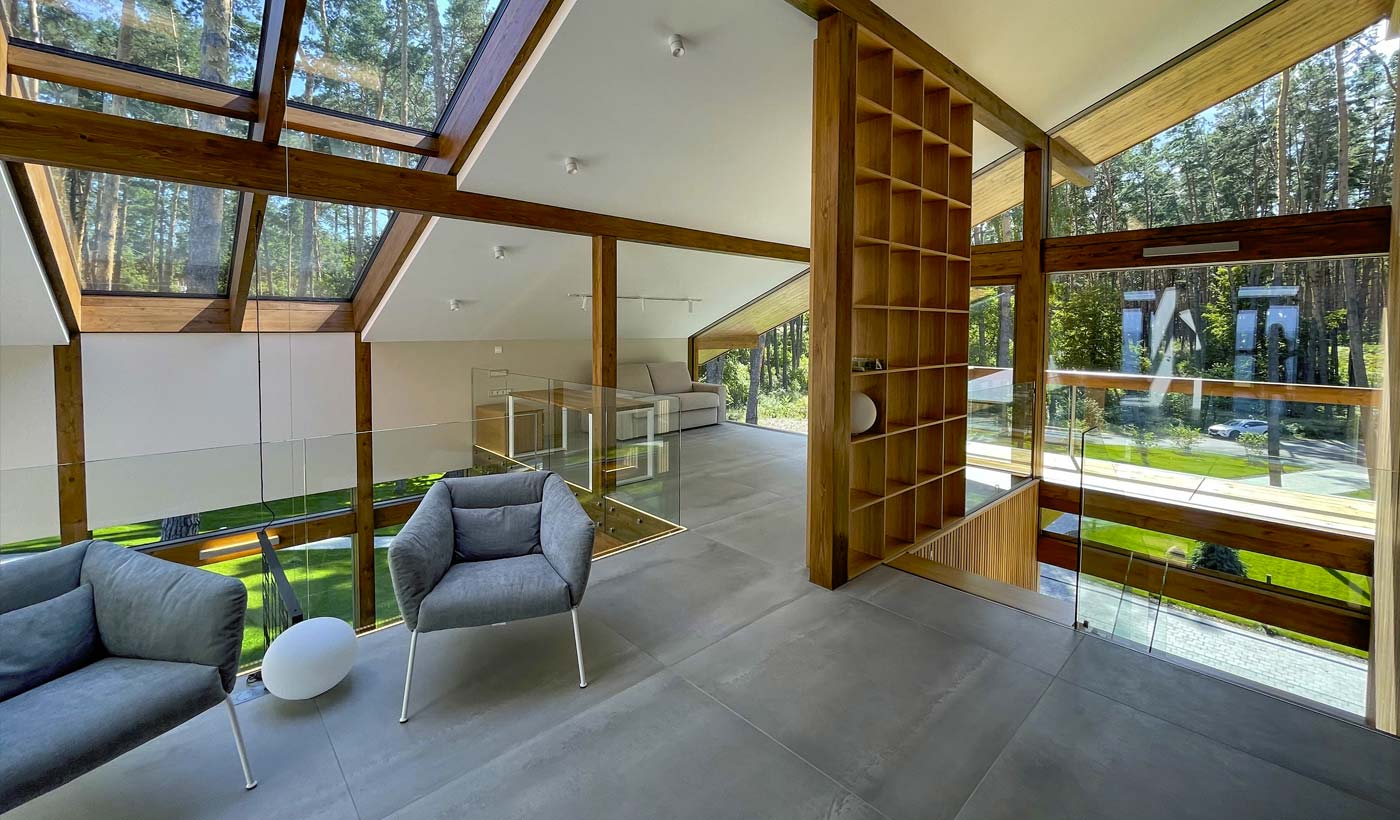
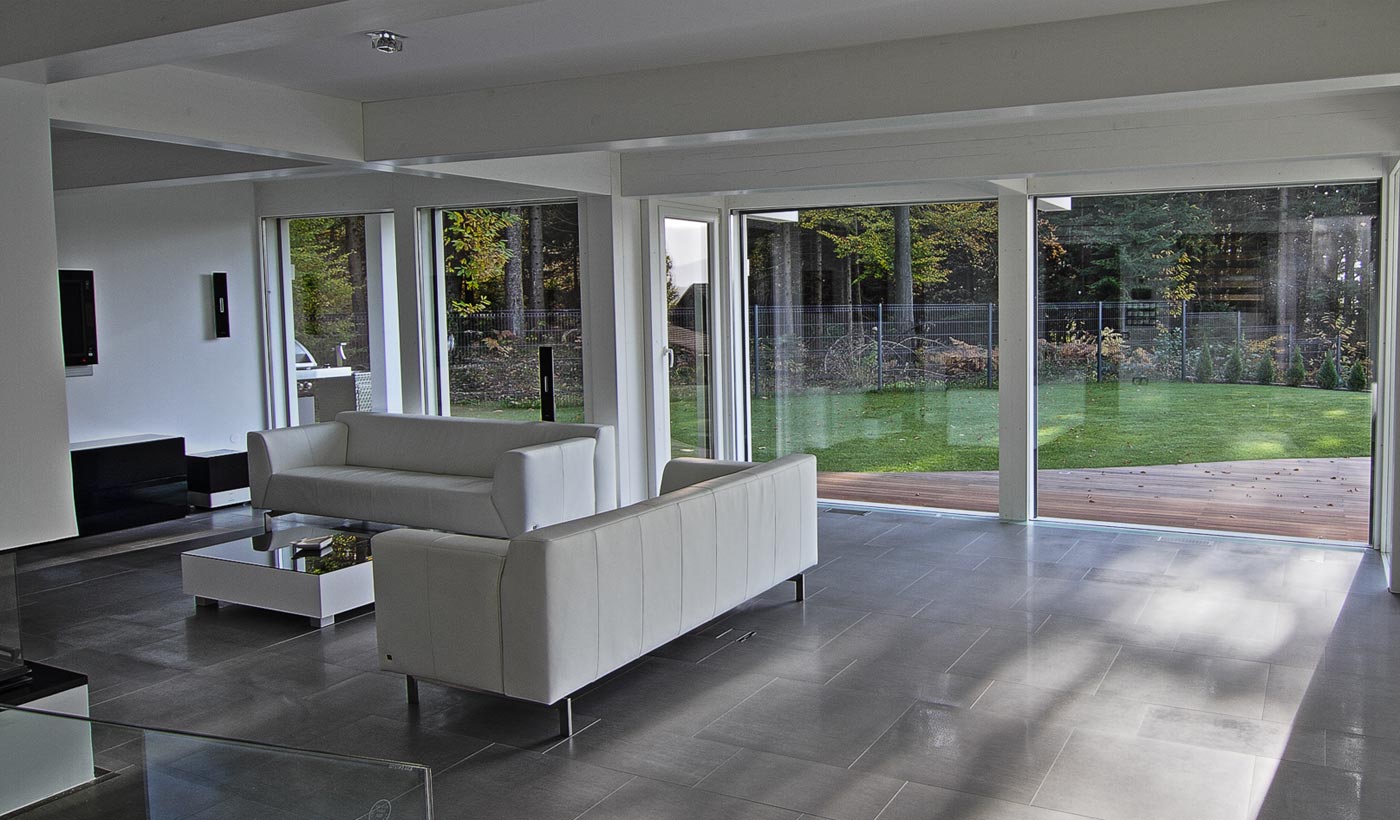
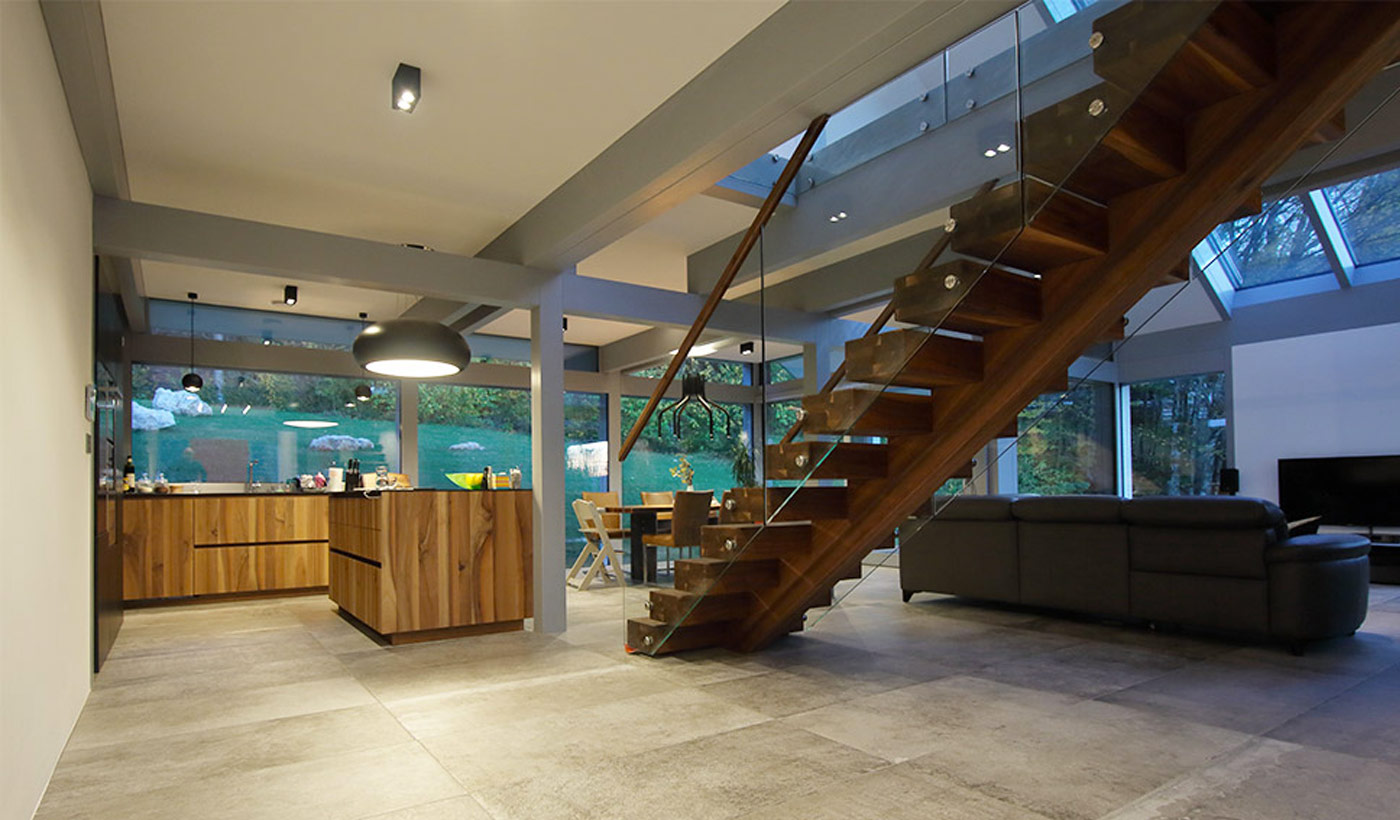
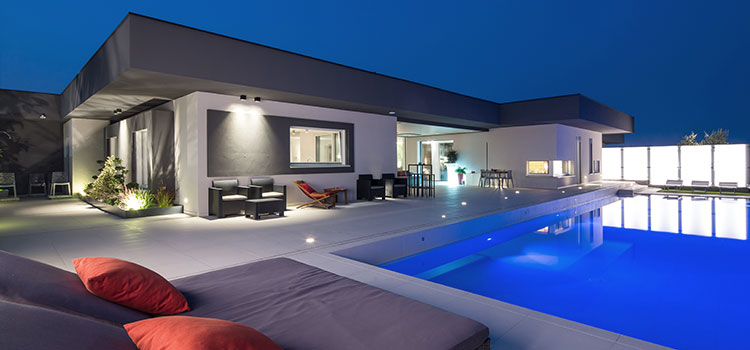
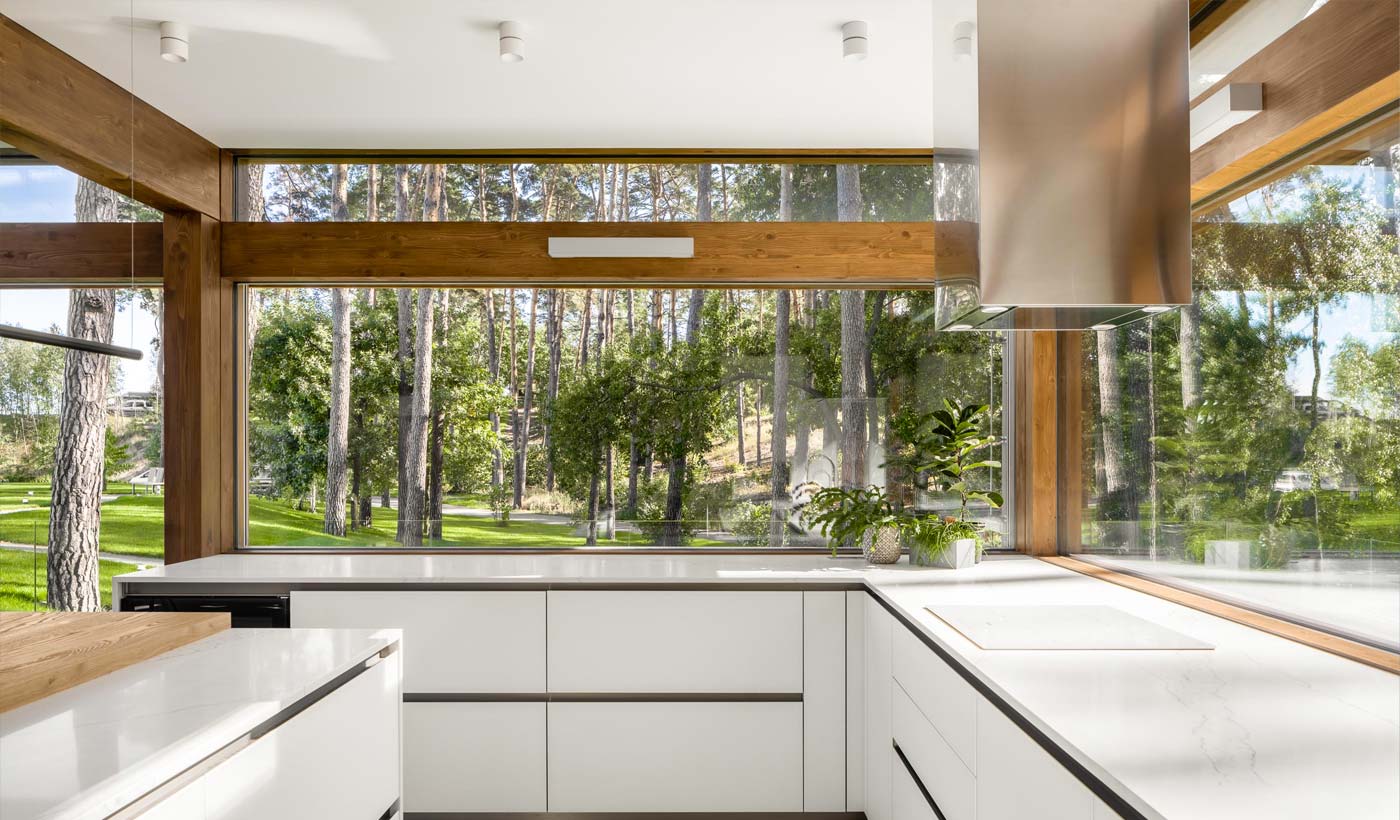
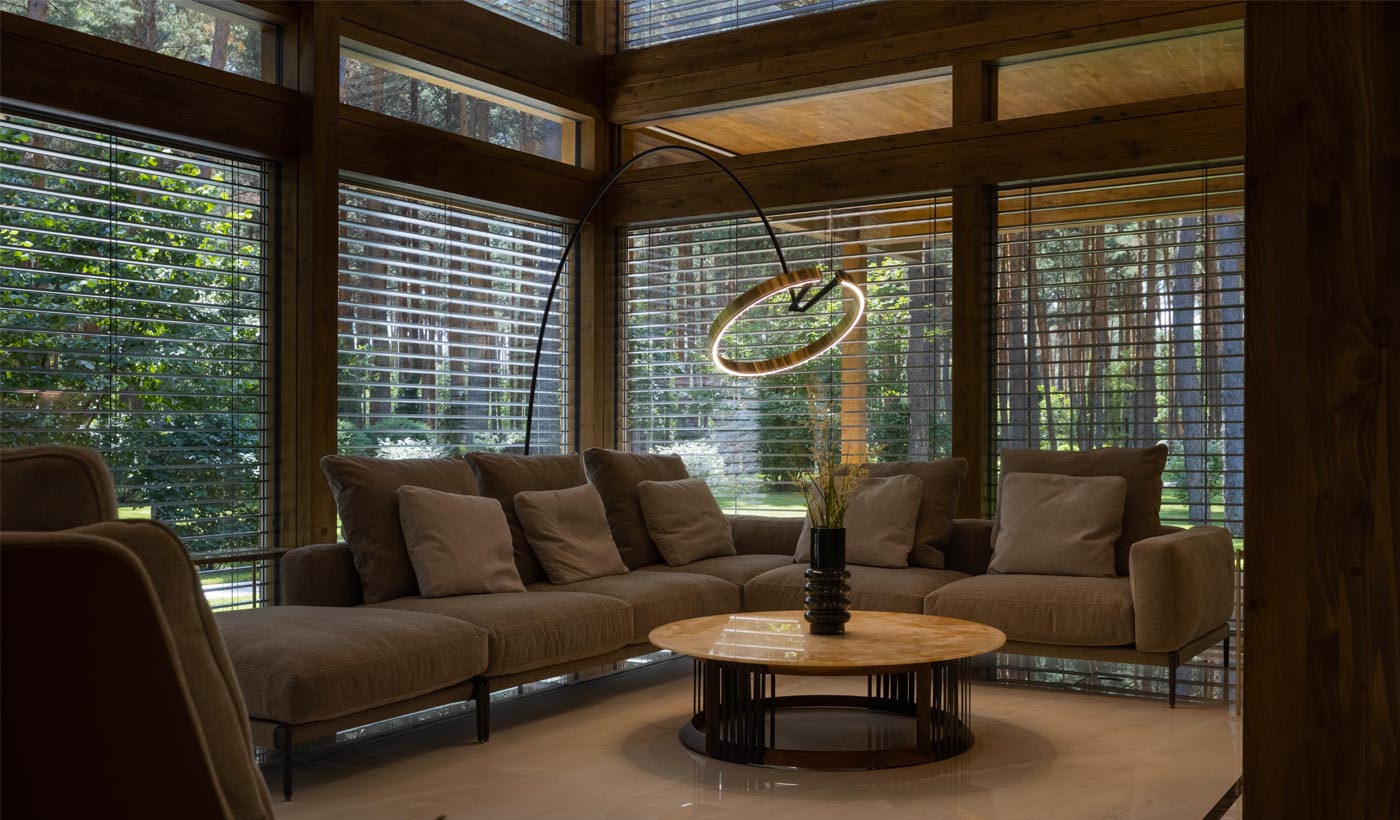
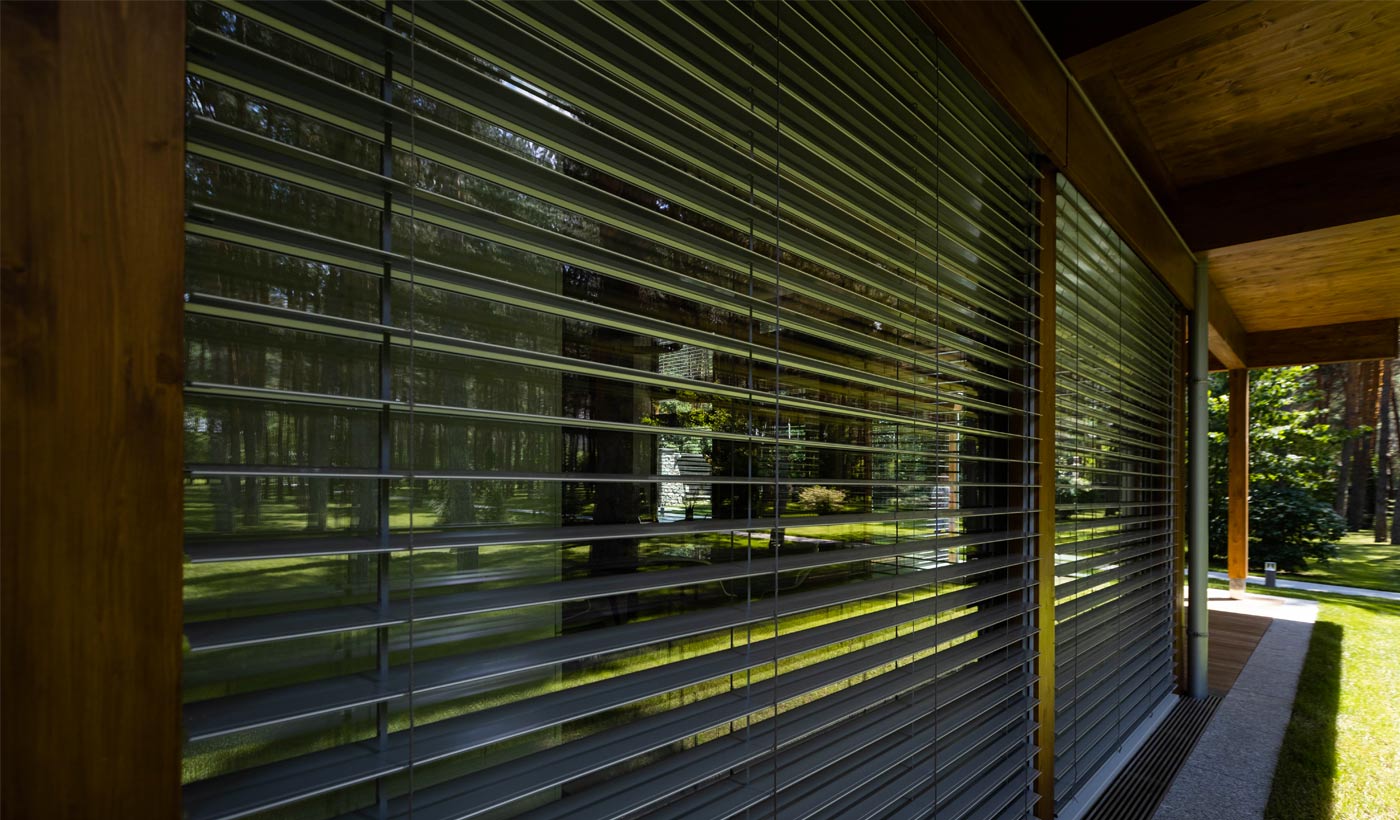
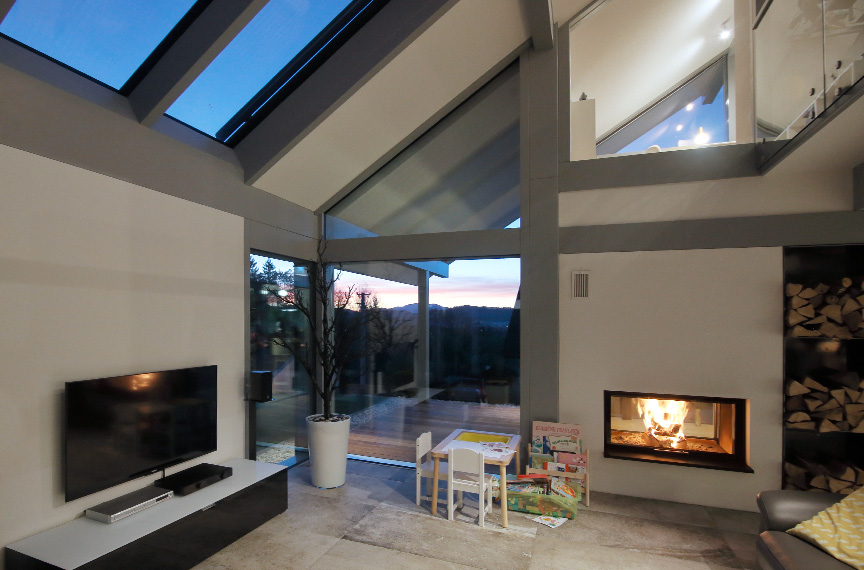
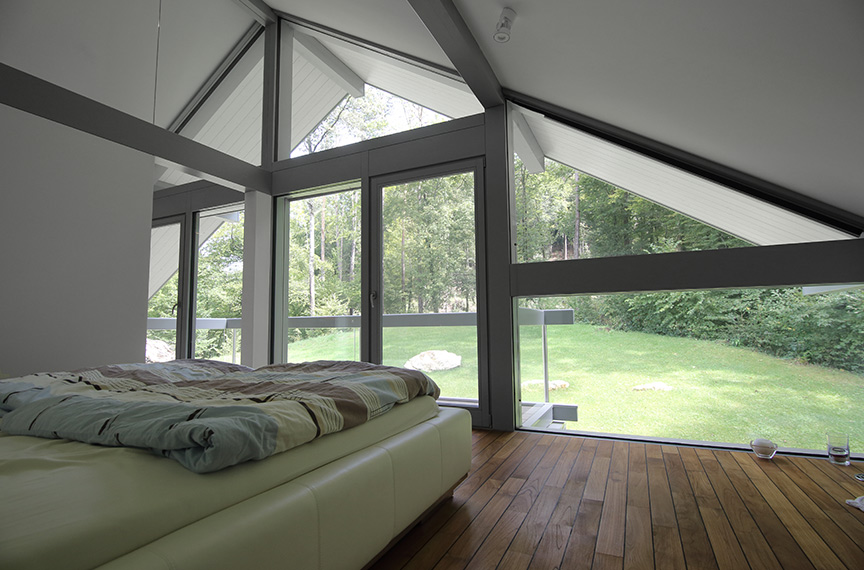
Homes built with timber frames offer an immediate sense of warmth and comfort. Wood creates a calm and natural atmosphere, which is further enhanced by large glass openings and open spatial layouts. In this kind of architecture, the connection between the interior and the outdoors is seamless: natural light floods the space, while views open out toward gardens, forests, or the wider landscape.
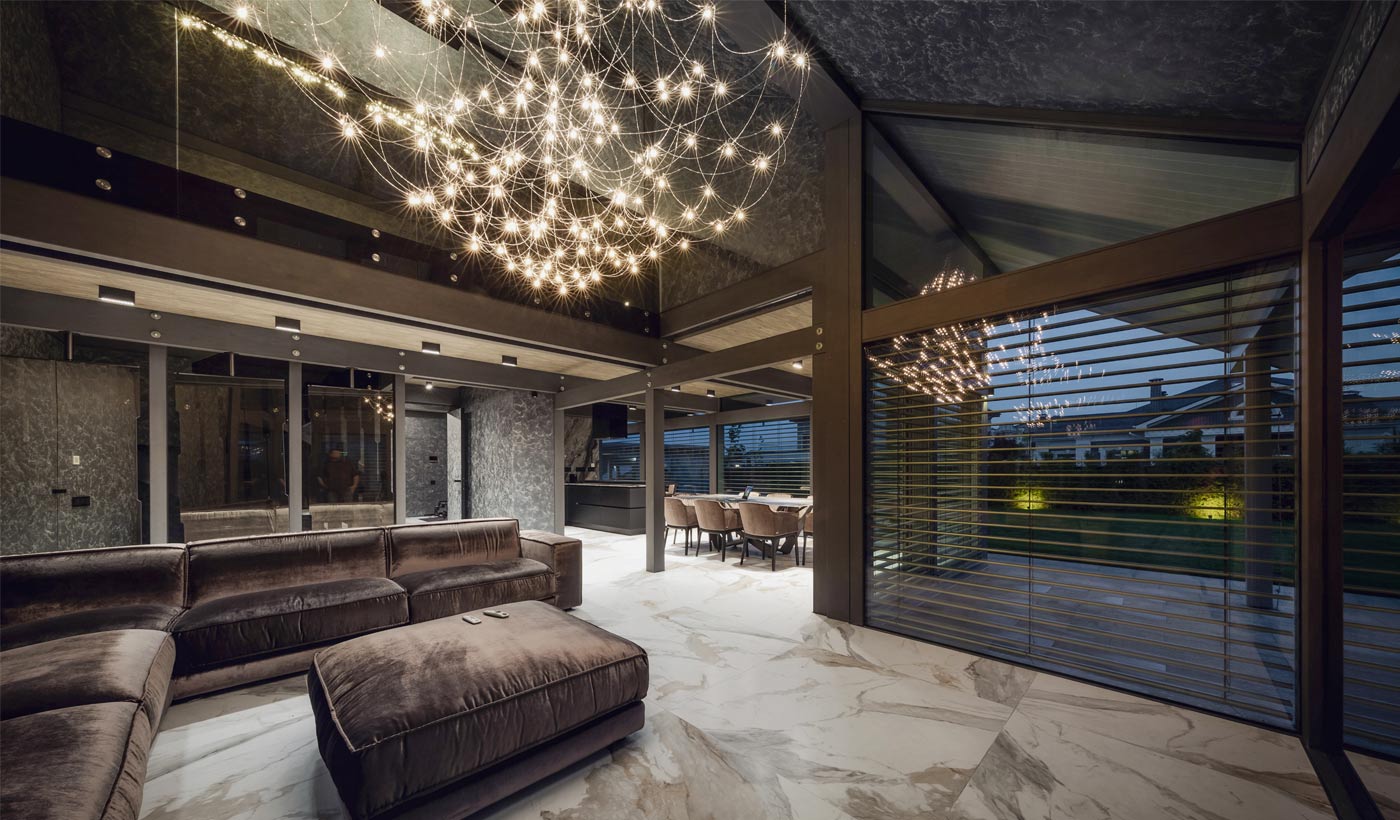
Timber-frame designs allow for large spans without interior walls or columns. This grants freedom in creating flexible floor plans, dynamic volumes, and architectural solutions that are often unattainable with traditional masonry construction.
It is precisely this structural flexibility that enables the home to fully adapt to its location, to the architectural concept, and to the lifestyle of its inhabitants.
Speed rooted in precision
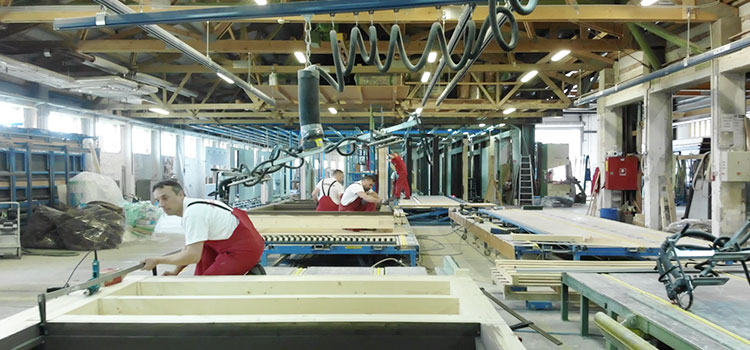
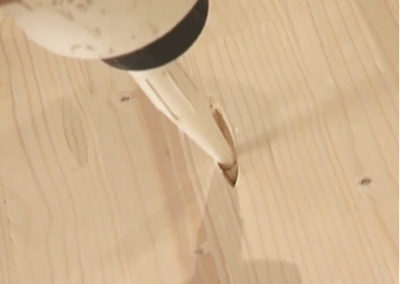
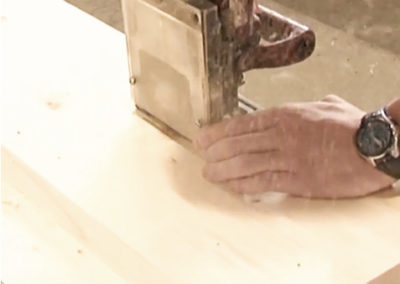
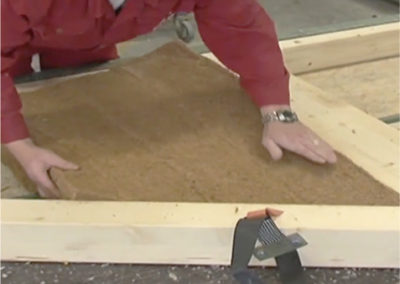
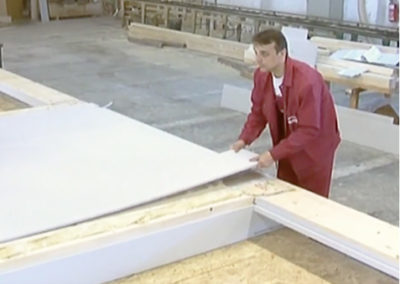
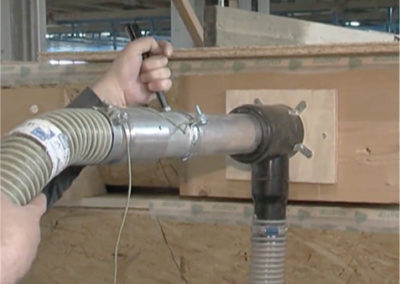
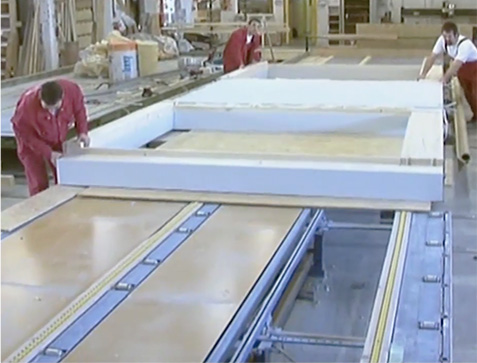
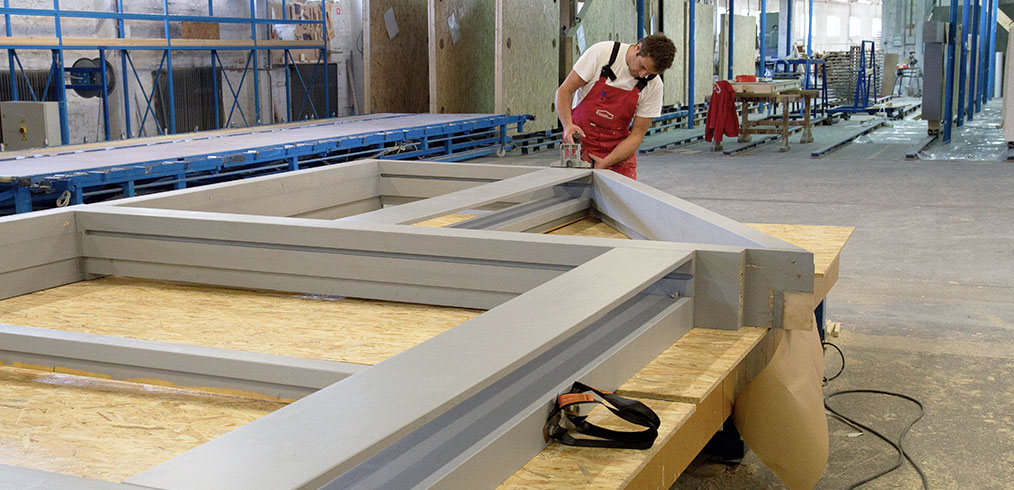
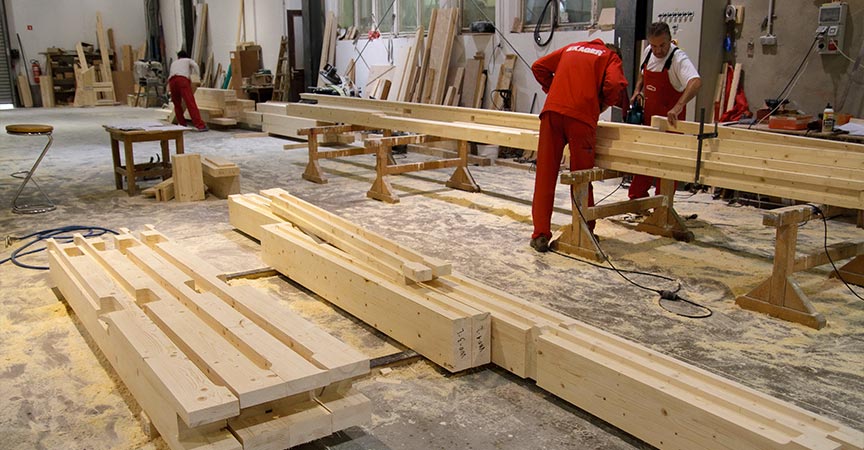
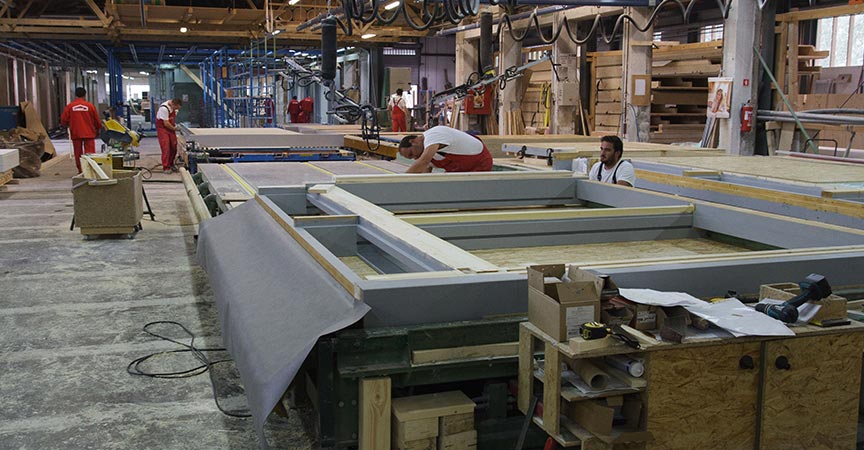
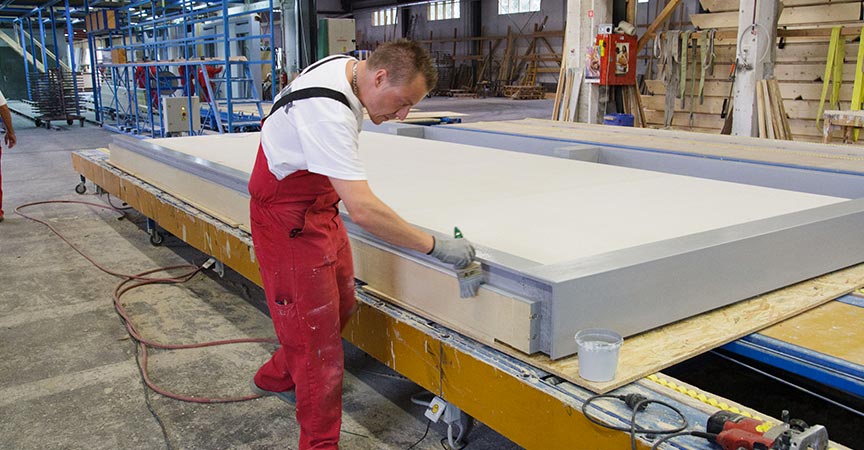
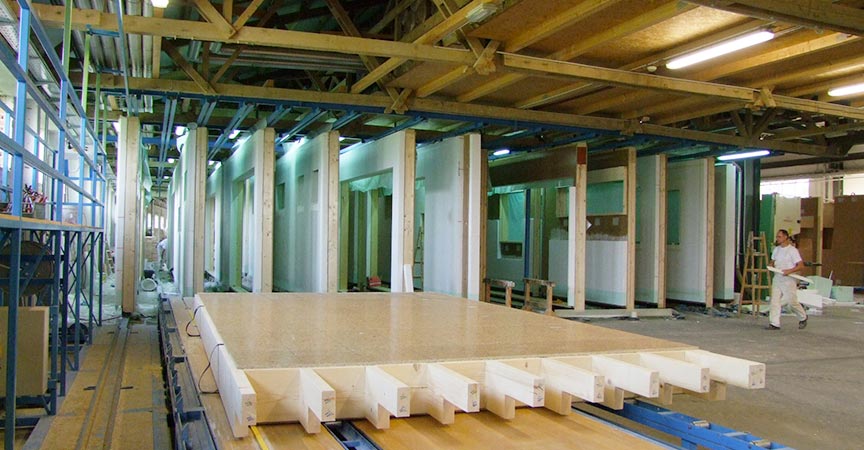
Building with a wooden structural frame, manufactured under controlled conditions, allows for exceptionally fast on-site progress. The key components — from the structural skeleton to the wall elements — are pre-fabricated in our own production facility in Ptuj, Slovenia.
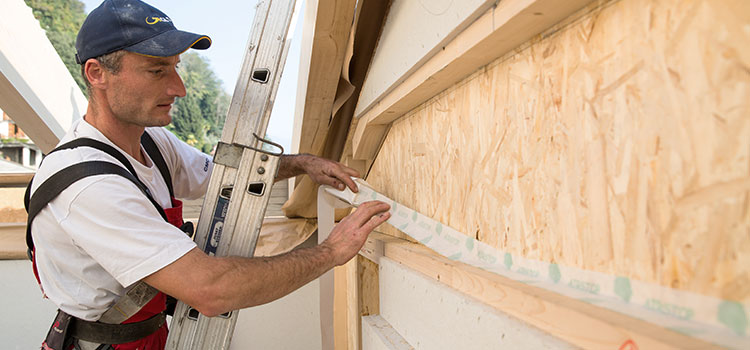
Each element is designed and crafted with millimetre precision, ensuring a reliable and time-efficient assembly process. On-site installation takes just a few days, free from weather-related risks or unnecessary delays.
All project phases — from design and production to final assembly — are managed by experienced, highly trained teams, ensuring that the finished result meets the highest quality standards down to the smallest detail.

Sustainability through timber construction
In recent years, growing environmental awareness and climate responsibility have renewed interest in building with wood. As a renewable material, timber has a significantly lower environmental impact compared to concrete or steel. Simply choosing wood as the primary construction material can greatly reduce the building’s overall carbon footprint.
Beyond its ecological advantages, wood also has a natural thermal insulation capacity. When combined with advanced systems such as triple glazing and a well-designed building envelope, it results in low energy consumption — both in winter and summer.
The outcome is a home that is energy-efficient, sustainable, and built for long-term performance — without compromising on living comfort.

Structural stability and safety with timber
Open floor plans, large spans, and extensive glazing do not need to come at the cost of structural safety — quite the opposite. A thoughtfully engineered wooden frame offers architectural freedom while ensuring high structural stability.
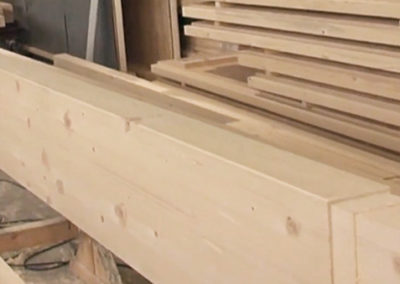
KAGER houses are built using high-quality, technically dried structural timber (e.g., glued laminated timber or BSH), known for its dimensional stability and mechanical strength. Precisely crafted joints and a well-considered structural system ensure even load distribution, even across large spans or multi-level homes.
Thanks to the elasticity and high load-bearing capacity of wood, these structures are particularly resilient to natural forces such as earthquakes and strong winds — in many cases outperforming traditional masonry construction.
Safety and stability are therefore fully integrated into the design, without sacrificing architectural elegance or everyday comfort.


 .
. 


 .
. 


 Signing a contract with Anže Lanišek for the VITA NOVA Classic
 Construction of the Doppler Winery


 .
. 
 .
.  .
.